
Is The Cat in the Hat (2026) a sequel to the 2003 movie?
The 2026 animated Cat is presented as a new adaptation with a different setup. Here is the continuity answer, what the earlier film adds and how to choose a useful comparison.
FilmFanatics Editorial · Published · View discussions
Treat the animation as a new starting point
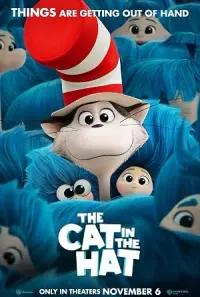
Warner Bros. presents the 2026 film as the Cat’s animated theatrical feature debut, with Bill Hader voicing the character. Its announced setup concerns siblings Gabby and Sebastian adjusting to a new town. The studio does not present that mission as a continuation of the 2003 live-action movie. You can approach this as its own adaptation without watching the older film first. Shared source material and a familiar costume do not, by themselves, establish that two screen versions inhabit one continuous story.
Guide · Sources checked
What the 2003 movie contributes
Universal identifies the earlier film as a live-action interpretation starring Mike Myers. Watching it can be useful if you are interested in a performer’s physical presence compared with an animated figure’s movement. It is optional comparison material, not homework that unlocks a missing chapter. Keep the versions named when discussing them: a preference for Myers’s performance, a childhood association with that film and affection for the book are different starting points. None automatically tells another viewer what the new interpretation attempts.
The assignment changes the adaptation question
The 2026 premise gives the children a difficulty: relocation. Ask what imaginative disruption does for someone who already feels out of place. A feature can supply more locations and supporting characters than a short book, but expansion alone does not explain the value of an addition. The sharper test is whether an event changes what Gabby or Sebastian can express, choose or understand. A busy sequence and a meaningful development are not the same thing. This approach gives a comparison a purpose beyond checking that familiar objects appear.
Compare a function before a favorite image
Choose one element, such as the Cat’s arrival or the children’s response to disorder. Describe what it accomplishes in each version before judging which you prefer. A visual gag can make the Cat friendly in one context and intimidating in another. Explain the difference through timing, scale and the children’s viewpoint. That is more useful than counting recognizable props or deciding that resemblance to a remembered illustration settles the adaptation. The question is what an image makes a viewer feel or understand at that particular point.
A simple route for a first-time household
For a cinema trip, start with the current film’s synopsis and a local listing. Read the book together if that appeals, but keep optional background optional. Save detailed comparisons with earlier versions until everyone who wants to has seen the new film. In a public thread, say which adaptation you mean and mark specific plot developments as spoilers. A new viewer can then understand the question without having an unseen ending or a different Cat silently substituted into the conversation. There is room to enjoy one version without turning another into a required test.
Sources
Related coverage
Discussions
New threadWhat should animation let the new Cat do that live action could not?
0 repliesLast post