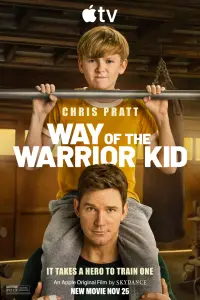
Way of the Warrior Kid book-to-film guide: look for Marc’s decisions
A book can tell us what Marc thinks; a film must find other ways to make change visible. Compare the adaptation through decisions rather than a scene checklist.
FilmFanatics Editorial · Published · View discussions
Identify the problem a passage solves
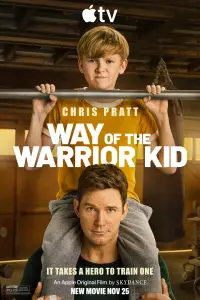
Macmillan presents Way of the Warrior Kid as part of Jocko Willink’s illustrated chapter-book series. Apple identifies the film as an adaptation. Those formats give a reader and a viewer different access to Marc’s experience. Before asking whether a passage is included, ask what it achieves: does it establish embarrassment, explain a habit or show him reassessing someone? That function provides a more useful basis for comparison than the amount of dialogue preserved. A scene can do similar work with a different action or a deliberately withheld response.
Guide · Sources checked
Separate a lesson from the child’s response to it
An adult can explain a principle clearly without the child understanding it, accepting it or being ready to use it. Follow those stages separately. If an adaptation shortens a written explanation, consider whether another scene preserves the uncertainty of trying to apply it. The meaningful comparison concerns the process Marc undergoes. Removing words need not remove complexity, but a version that turns every problem into an immediate demonstration could make change feel automatic. Explain which stage survives or disappears before deciding whether a change works.
Notice what the performance carries
A hesitation, a glance toward an adult or the timing of a refusal can suggest a thought without stating it. That is especially relevant when moving from a child’s account on the page to a performance observed from outside. Do not assume a quiet moment means the film has forgotten the character’s perspective. Ask whether the surrounding action gives the silence a specific meaning. Equally, do not supply an elaborate internal motive that the performance and scene do not support. A careful comparison makes the limits of its inference clear.
Sources: 1
Use one paired example
Choose a short passage and a scene that appears to serve the same purpose. Describe the information available before each, the decision that follows and what changes in Marc’s relationship with another person. Keep the outcome out of a thread advertised as spoiler-free. This approach lets readers who prefer different versions disagree about a concrete choice instead of arguing that books are always deeper or films must copy them literally. Neither medium wins in advance. The useful finding is how this adaptation chooses to make a particular kind of progress understandable.