
Artemis Fowl is becoming an animated series, with Eoin Colfer as executive producer
Disney has greenlit a television adaptation. An episodic format could make the uneasy bargain between intelligence, family loyalty and exploitation more substantial.
News analysis · Reporting checked
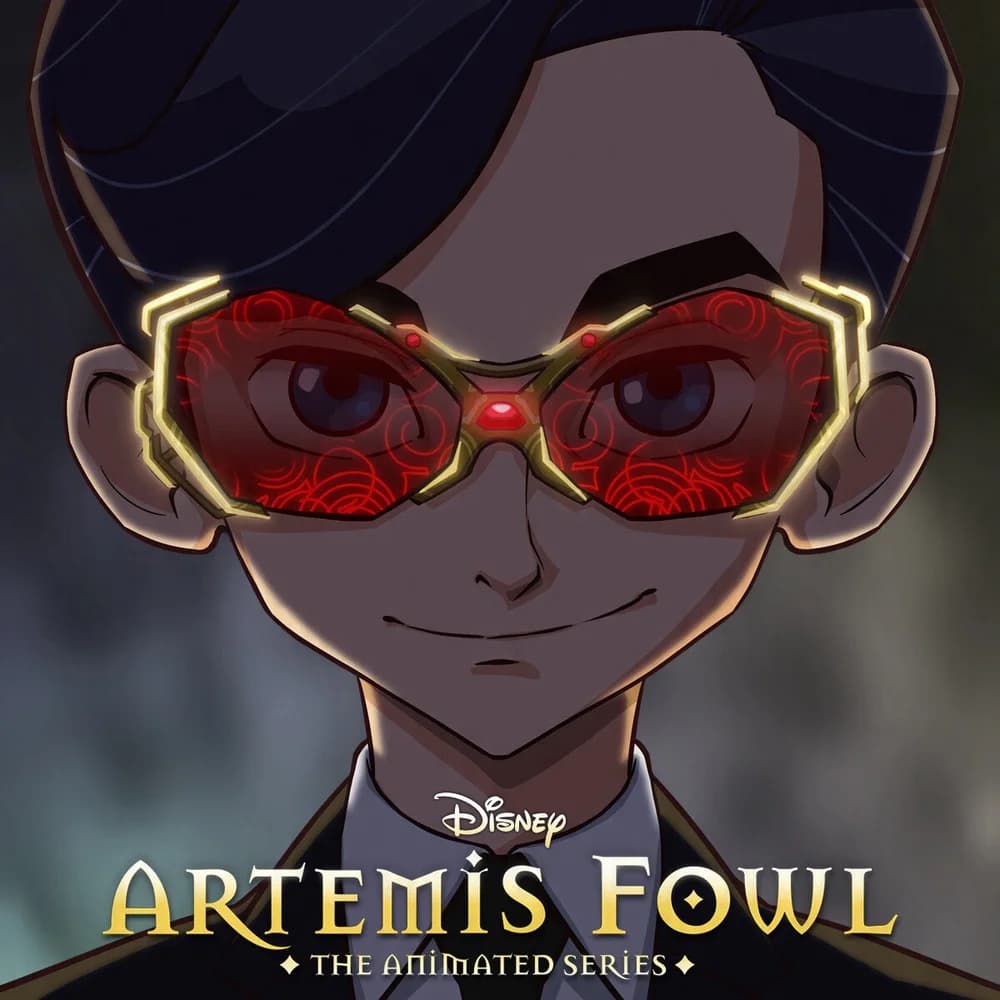
The project is confirmed; a premiere date is not
Disney Channel and Disney+ have greenlit an animated Artemis Fowl series, with author Eoin Colfer executive producing alongside Ben Juwono and Colleen Evanson. Disney’s premise follows a thirteen-year-old genius who discovers a technologically advanced fairy world and plans to capture a fairy to obtain magic for his family. The October announcement does not provide a premiere date.
A clever plan can create an uncomfortable protagonist
Intelligence is entertaining when it lets an audience recognize a solution it did not anticipate. It becomes more dramatically interesting when the solution creates a problem its author refuses to acknowledge. Artemis’s announced objective joins a sympathetic family concern to an exploitative method. The story does not need to choose one description and erase the other. The tension between them is precisely what can sustain a difficult lead.
An episodic adaptation has room to let an initial plan succeed before exploring its cost. That can be more revealing than making every morally questionable choice fail immediately. A character may learn that effectiveness and justification are different standards, while other people have reasons to resist being treated as parts of an elegant solution.
A high-tech fairy world needs practical limits
Animation gives the production freedom to establish a world that looks unlike ordinary human space, but design alone cannot make a conflict readable. Technology and magic need constraints the viewer can understand. Once a capability is established, a character can use it creatively or discover an overlooked weakness. If each new problem simply introduces an unlimited power, ingenuity becomes harder to distinguish from convenience.
The most useful adaptation comparison would therefore examine how the series distributes knowledge between Artemis, the fairies and the audience. Letting viewers see a limit before the protagonist does creates one kind of suspense. Discovering the plan afterward creates another. An episode can do both if the information arrives for a reason beyond producing a last-minute surprise.
What fans can reasonably expect from the announcement
Colfer’s involvement is a confirmed creative credit, not a guarantee of a particular scene, casting choice or degree of fidelity. The television form creates opportunities for sustained relationships, but the greenlight does not establish episode count or release cadence. For now, the strongest reason to follow the project is the specific dramatic problem in its premise: a gifted child with a comprehensible need whose preferred means require other people to refuse him.
Sources
Discussions
New threadNo discussions yet.