
C.B. Strike: The Running Grave in December—how a long investigation becomes television
HBO Max’s December slate confirms the return. The adaptation challenge is preserving how evidence accumulates without making every scene feel like a clue-delivery mechanism.
News analysis · Sources checked
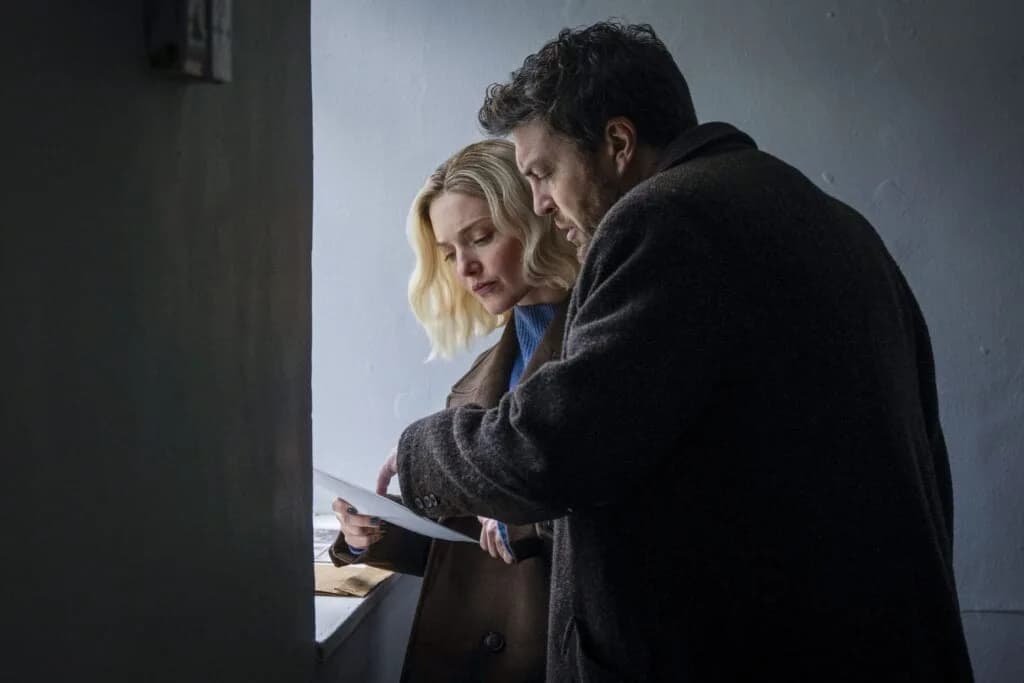
A return in the official December slate
HBO Max's U.S. December announcement includes C.B. Strike: The Running Grave among the returning programmes. That provides a confirmed seasonal viewing occasion. Check the service's dated programme listing for the current episode-release pattern rather than assuming the whole adaptation arrives together.
A book's availability and a television premiere are separate events. A reader may already know a solution, while another viewer is encountering the case for the first time. A useful preview can discuss the adaptation problem without using that knowledge to spoil the investigation.
The process is more than connective material
A detective story can make an interview or failed lead valuable because it changes a relationship, establishes a limit or exposes a mistaken assumption. If every scene exists only to deliver the next clue, the investigation can feel efficient but thin.
Our interest is how television gives duration to uncertainty. A character may have to wait, maintain a role or act on incomplete information. Those stretches can become the story's pressure rather than an obstacle to reaching its answer.
A clue and its interpretation should remain distinguishable
An audience can be shown a real detail while being encouraged to attach the wrong meaning to it. A satisfying revision makes the earlier evidence legible in another way. Concealing every relevant fact until the end produces a different, often less participatory experience.
When comparing a novel and adaptation, identify which perspective supplies a detail and when it becomes available. Moving a scene can change the viewer's opportunity to interpret it even if the final explanation remains the same. Counting retained plot points alone misses that effect.
Keep the opening discussion accessible
Choose a scene from another detective adaptation where ordinary investigative work became dramatic. Explain whether it changed the case, the investigator or your understanding of both. Mark any solution spoilers clearly.
The related thread focuses on those in-between moments. Once the December episodes provide evidence, discuss the specific sequence rather than assuming a book-based expectation proves what the television version has accomplished.
Sources
Discussions
New threadWhich detective adaptation makes the work between discoveries interesting?
0 repliesLast post