
Chapapote begins filming with a coastal community caught inside a desperate comic premise
Daniel Sánchez Arévalo’s Spanish film places a fictional village beside a real environmental disaster. The satire depends on understanding why an apparently absurd choice becomes tempting.
News analysis · Reporting checked
The announced film
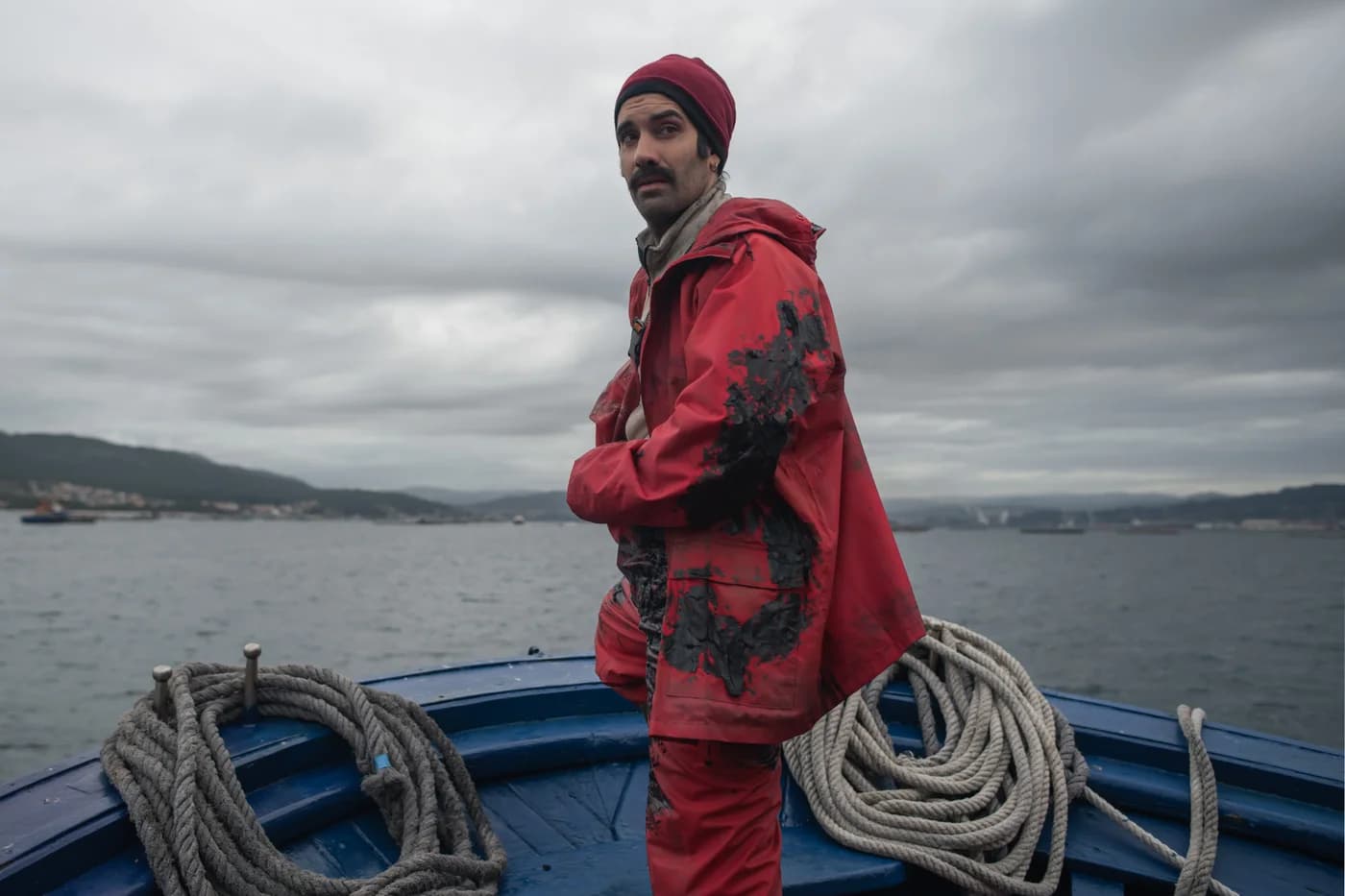
Netflix announced filming of Chapapote on November 3. Daniel Sánchez Arévalo writes and directs, with Tamar Novas leading the cast and Bambú Producciones producing. The fictional village of Agarimo is affected economically by the 2002 Prestige disaster even though oil has not reached its beach. The comedy’s invented response should not be reported as an event that happened in a real community.
A clean beach does not mean an untouched economy
The premise creates a gap between visible damage and less visible disruption. A community may escape one immediate sign of disaster while losing the ability to work or attract business. That gap can make an absurd plan dramatically legible. Viewers do not have to approve of the plan to understand why people begin considering it.
The film’s task is to make those pressures specific. A closed business, an unpaid obligation and a missed opportunity are different problems, even when they share a cause. Letting residents disagree about what to do would make the village feel like a community with conflicting needs rather than a single comic personality.
Satire needs a target beyond desperation
A story can find humor in a reckless response while still asking what system of recognition made that response seem useful. Who receives attention? What kind of evidence makes a problem visible to outsiders? Those questions give the comedy a direction beyond laughing at people making a bad decision.
The distinction will also shape its tone. If the environmental disaster functions only as background, the plan may feel detached from its consequences. If every scene becomes an explanation of injustice, the comedy may lose the particular people who make its argument interesting. A useful scene can let a practical negotiation expose the wider problem without requiring anyone to summarize it.
The next information that matters
The production announcement gives no confirmed premiere date. A trailer should clarify whether the ensemble’s disagreements are central to the film’s rhythm or mainly a route to a larger set piece. Until then, the useful early discussion concerns the premise’s tension between economic harm and public visibility. Historical claims about the disaster itself should be checked through historical reporting, separately from this fictional account.
Sources
Discussions
New threadNo discussions yet.