
Hands On: Women, Climate, Change — five perspectives on climate action
The 2014 collaborative documentary connects environmental decisions with local knowledge and different forms of power. Its structure offers a useful starting point for discussion.
News analysis · Reporting checked
Archive context: Hands On: Women, Climate, Change is a 2014 documentary. The earlier Normal Theater screening report was published in November 2022; that event is not an upcoming screening.
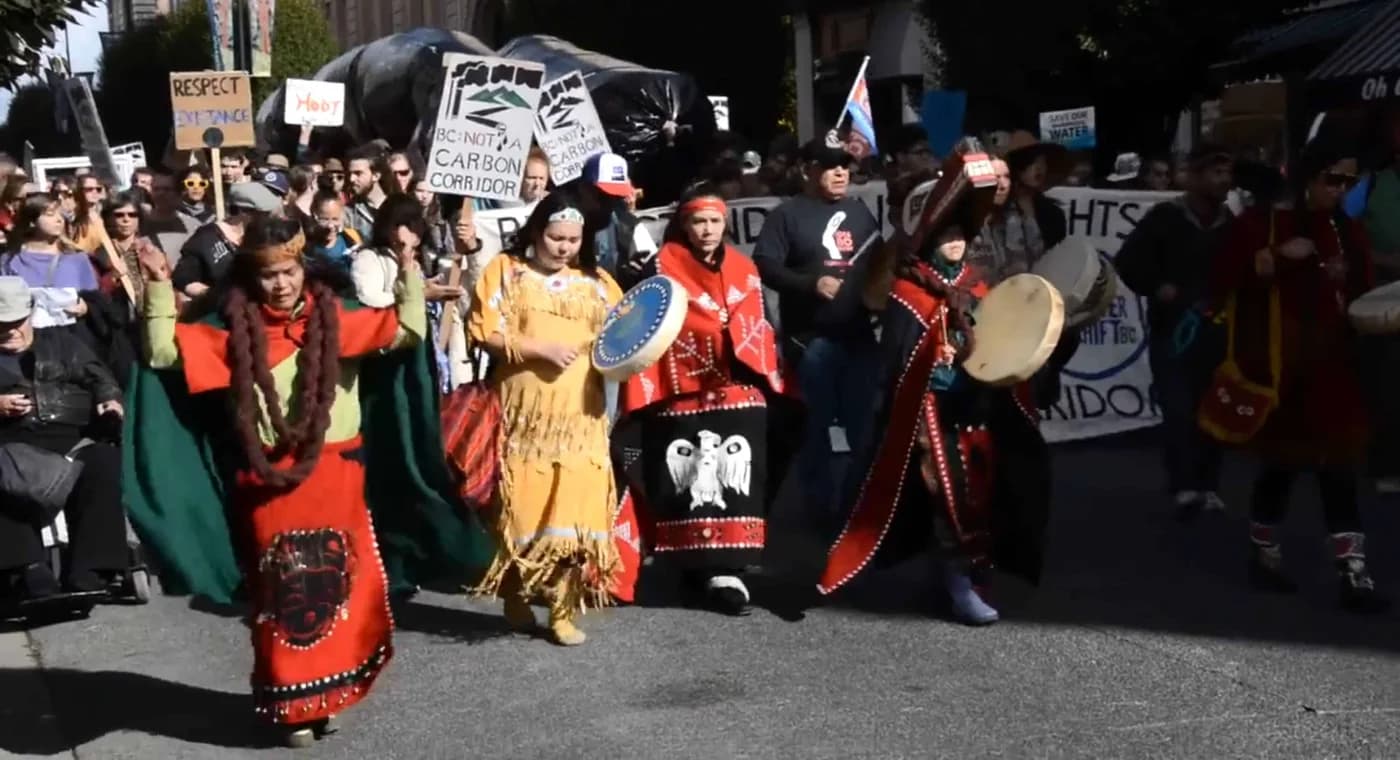
Which film was the old screening story about?
The film is Hands On: Women, Climate, Change, a 48-minute Canadian documentary from 2014. Cinema Politica credits Liz Miller, Nupur Basu, Mary Kiio, Iphigénie Marcoux-Fortier and Karen Winther. WGLT’s November 2022 story concerned a screening in Normal, Illinois, as part of a local climate-film series.
The documentary and that screening are different things to keep in view. An old event listing may explain how a local audience encountered the film, but it is not an invitation to attend the same event today. The film’s subject remains available for examination after the screening date has passed.
What the five perspectives bring together
Cinema Politica’s description includes a Norwegian campaign against oil exploration, weather information shared with a fishing community in India, work with Cree and Inuit communities, a Canadian First Nation’s pipeline opposition, and training for women farmers in Kenya. These profiles place different kinds of action beside one another: organising, communicating, researching and influencing policy.
The comparison invites a question about whose knowledge becomes actionable. A weather report is not useful merely because information exists; someone must be able to interpret it, communicate it and act on it. Likewise, a consultation can sound inclusive while leaving the important decisions elsewhere. These are questions to test against the examples, not assumptions that every community faces the same circumstances.
Why a collaborative production matters
The production account on Mapping Participatory Media describes Miller coordinating work with the International Association of Women in Radio and Television. Four directors from four continents contributed segments, which Miller edited into one film. The account also describes a non-exclusive approach to distribution and contributors retaining rights to their original material.
That structure is worth considering alongside the subject. A collaborative documentary has to create connections without flattening the differences between the people filmed. Editing can establish a shared question, but each location still needs enough context for a viewer to understand what a particular action means there.
Questions for a film discussion
Choose two profiles and compare the obstacle each person is trying to change. Is the difficulty access to information, control over a resource, the ability to influence a decision, or something else? Identify the action shown before deciding whether the two examples support the same argument.
A second question concerns the documentary form: does placing the stories together reveal a relationship that one profile could not show alone? A useful response can recognise a connection while also naming a difference the comparison leaves unresolved. This keeps discussion grounded in the film instead of using its subjects as interchangeable symbols.
Sources
Discussions
New threadNo discussions yet.