
The JLO Show on Thanksgiving: broadcast, extended cut and the craft of a concert film
CBS and Paramount+ schedule Jennifer Lopez’s concert film for November 26, with a separate extended version. What the versions mean—and what to watch in the filmmaking.
News analysis · Sources checked
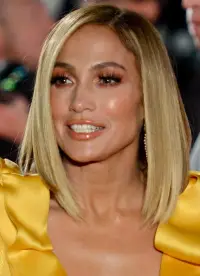

What airs on November 26
CBS and Paramount+ schedule The JLO Show: Live in Las Vegas for Thanksgiving evening, November 26, 2026, beginning at 8 p.m. ET/PT on CBS. The announcement also identifies a Paramount+ extended version. That is a distinction between editions, not a claim that a new live stage performance is taking place at the moment the television broadcast airs.
The cited release describes the filmed Las Vegas residency. For international availability or the access included in a particular subscription plan, check the current service listing in your territory. A US network announcement should not be converted into a promise that the same program is simultaneously available everywhere in Europe, Canada or Australia.
Extended does not automatically mean definitive
An extended edition may offer more material, but length alone cannot tell us how the experience changes. Additional songs can create a different arc; a longer transition can preserve a sense of anticipation; more spoken context can alter how a musical sequence is understood. The relevant question is what was added and where it sits.
We have not screened both editions and are not publishing an invented list of differences. If you compare them, identify the edition first and describe the change you actually observed. That is more useful to a later reader than an assumption that the longer version must improve every part of the program.
The camera decides where the concert is happening for you
A viewer in a venue chooses where to look within a limited sightline. A concert film makes that choice through framing and editing. A close-up can reveal breath, effort or a quick exchange that a distant seat would miss. A wide shot can let choreography develop as a relationship between performers instead of a sequence of isolated details.
The trade-off is not simply intimacy versus spectacle. A close-up placed too early can conceal the movement it is meant to emphasize; a wide shot held through a change can allow an audience to discover the pattern for themselves. Watch how a cut relates to the phrase, the gesture or the movement rather than assuming fast cutting is automatically more energetic.
Listen to how the audience enters the mix
Crowd sound can establish scale and recognition, but it can also compete with a musical detail. A film may foreground a collective response at one moment and let a vocal or instrumental texture occupy the next. The difference helps shape whether a sequence feels like a public celebration, an individual confession or a transition between the two.
This is a good question for a forum because people can name the same passage and hear its emphasis differently. Describe what becomes audible or what seems to recede. Avoid turning a preference in the mix into an unsupported accusation about how a performance was produced.
Career storytelling needs connections, not just a hit list
A program built around an established performer can rely on recognition, but the placement of familiar material still matters. One song may change the emotional meaning of the next. A spoken recollection may clarify a connection or interrupt a momentum the music had already created. A useful review explains that relationship rather than counting recognizable titles.
Our analysis will focus on whether the sequence gives the evening a shape that a playlist would not supply. That standard leaves room for different tastes: a fan may value breadth, while another viewer may prefer fewer changes of style and more time within one musical idea. Both positions become clearer when tied to an actual transition.
How to make a comparison useful
State which version and territory you watched, then choose one performance or transition to discuss. If you attended a residency date, distinguish your memory of that event from what the film shows. The camera can preserve something that a venue seat did not reveal without replacing your experience of being there.
Choose a transition that changed your sense of the performance and explain how it worked. Comparing an observable editing choice gives another viewer something to test, even if their musical tastes differ. That turns a release announcement into a conversation about what the film actually does with its material.
Sources
Discussions
New threadWhen does a longer concert-film edition add value instead of just minutes?
0 repliesLast postWhat makes a filmed residency feel different from watching a live concert?
0 repliesLast post