
Prime Video’s Maxton Hall visual dubbing changes the image as well as the soundtrack
Amazon says its lip-sync process pairs altered mouth movements with human dubbing. Evaluating it requires attention to the performance surrounding the words.
News analysis · Reporting checked
What Amazon announced
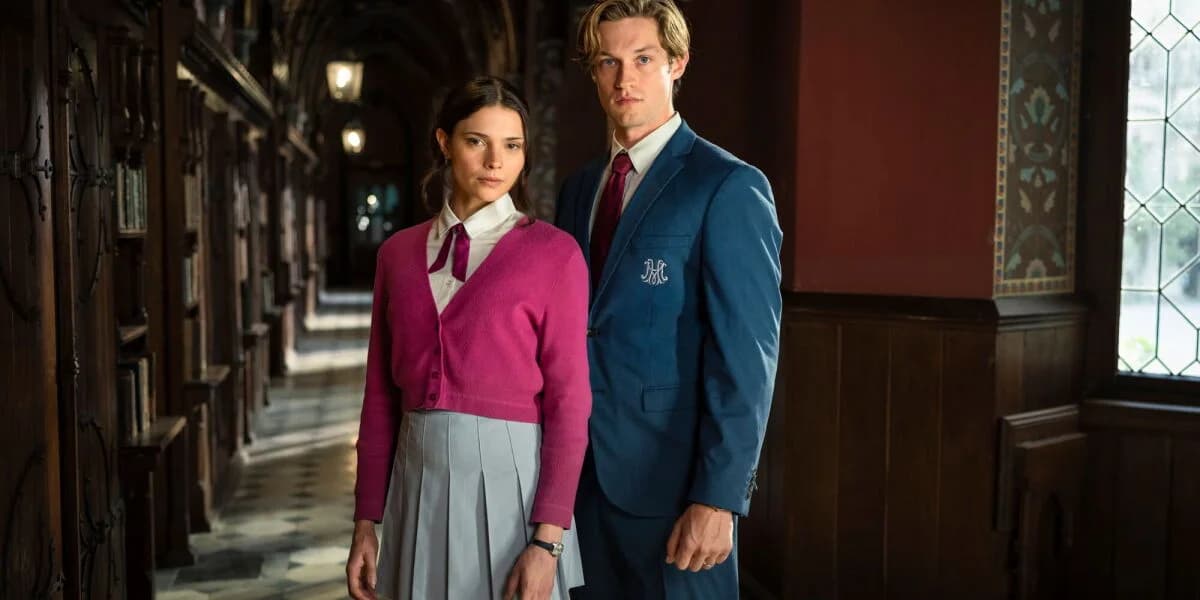
Amazon says it introduced visual lip-syncing for the English dubs of Maxton Hall’s first two seasons, using AI and visual effects to align mouth movements with human-dubbed audio. It also plans the feature for season three. The announcement describes a localization option; it does not establish that every language track, title or viewer receives the same treatment.
A mouth is part of a performance, not just a clock
Dialogue includes timing, effort, interruption and a person’s physical response to another speaker. Matching the start and end of words can reduce one visible mismatch while leaving other relationships to consider. A smile forming during a difficult sentence, for example, may carry information beyond the syllables. A useful evaluation needs to watch the whole face and the scene around it.
The translated performance also has its own rhythm. A human dub may make a line clear and natural while changing its duration. Altering the image to meet that duration introduces another set of choices. The question is whether the resulting combination preserves a recognizable intention and interaction, not simply whether the lips appear synchronized.
Different viewers need different access routes
Some prefer original-language audio with subtitles; others find dubbing more practical or accessible. A new option can serve the latter without making the former obsolete. Clear labeling and straightforward selection let people choose the experience that suits them, rather than discovering an altered presentation without understanding why it looks different.
A fair comparison would use the same scene and pay attention to a moment of hesitation or overlap. Does a reply still arrive in relation to the other person’s gesture? Is a joke’s pause preserved? Those questions are more informative than treating a brief technical demonstration as proof that an entire dramatic performance has been transferred unchanged.
What the announcement leaves to testing
Amazon presents the process as an improvement. That claim should be assessed through actual viewing across a range of scenes, including those with little dialogue and those with several speakers. The confirmed news is the application to the announced English versions. Its creative significance lies in making localization a visible part of the image, with choices viewers and filmmakers may reasonably want to understand.
Sources
Discussions
New threadNo discussions yet.