
What Metallica’s No Repeat Weekend changes about listening across two nights
Different setlists create more than a longer song list. They change pacing, expectation and the way fans compare performances—without confirming any future song choices.
News analysis · Reporting checked
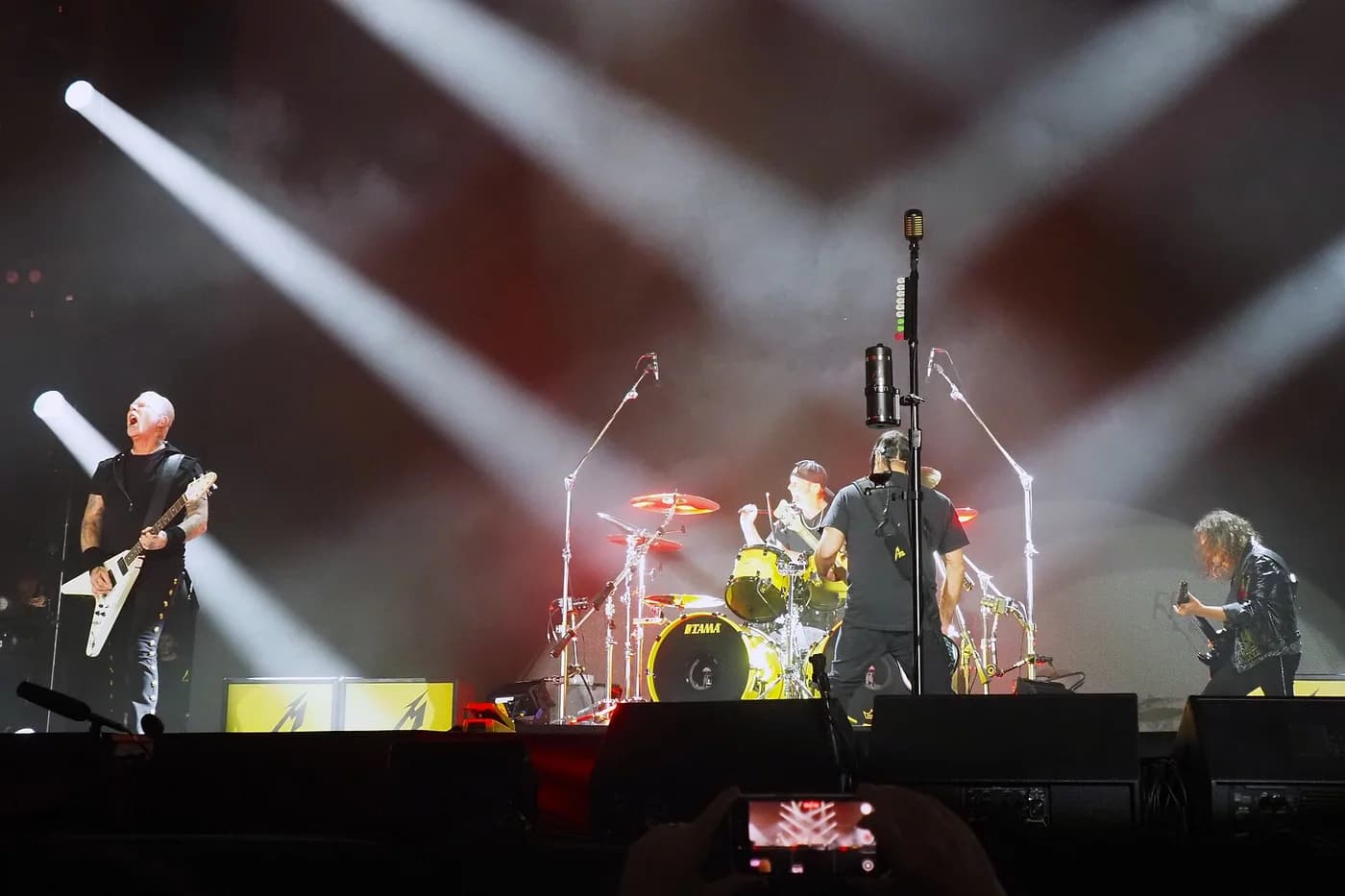
The format is confirmed; future songs are not
Metallica’s Sphere FAQ describes paired performances with different setlists and provides both single-night and two-night options. That is the useful factual foundation for discussing No Repeat Weekend. It does not give us a verified song-by-song program for an unplayed 2027 date. A setlist from another venue or an earlier year is historical evidence, not a contractual preview.
The M72 and Sphere information should also be read separately. A similar musical format does not merge two ticket products or venue arrangements into one. This article examines how a two-program format can shape listening; it is not a seating guide, a ticket inventory or an advance review of a specific future performance.
Variety creates a sequencing problem
A conventional concert can use the same familiar sequence to establish momentum each night. Dividing material across two programs asks for a different kind of balance. Each evening still needs an opening argument, shifts in intensity and a satisfying close. Merely moving a favorite song to the second night would not, by itself, create two coherent concerts.
That gives fans a more precise vocabulary for comparison. Did an early selection prepare your ear for what followed? Did a quieter passage feel like a necessary release or an interruption? A setlist screenshot shows order and repertoire. It cannot show the duration of a transition, the force of an entrance or the way a room responded.
A first-time listener and a longtime fan hear different things
A listener encountering the band live for the first time may want the shape of one persuasive evening. A longtime fan may be drawn to contrasts between songs or versions across a pair. Neither standard is wrong, but a recommendation becomes clearer when its author explains which listener it serves. More songs and a better single-night introduction are not identical measures.
This is also why arguments about a “missing” song can talk past each other. One person is assessing a particular night as a complete performance; another is judging the combined repertoire. State which unit you are reviewing. A good account of night one should not depend on its reader having attended night two to understand what happened.
How to write a useful comparison afterward
Describe one musical transition, one change in energy and one moment when the arrangement redirected your attention. Those observations give another reader something to test against their own experience. A list of favorites is welcome, but explaining why a sequence worked turns it into a discussion that people beyond your immediate fan circle can join.
We will distinguish verified event details from audience interpretation in related coverage. Before a show, that means leaving unannounced songs unannounced. Afterward, it means naming the actual date and venue rather than combining several performances into an imaginary definitive night. The format invites comparison; careful context makes the comparison worth reading.
Sources
Discussions
New threadShould each No Repeat Weekend night stand completely on its own?
0 repliesLast post