
Oasis: Don’t Look Back in Anger turns a reunion into a question of documentary perspective
Disney’s documentary announcement promises access to the band and its audience. Access becomes meaningful when the film shows how a shared event carries different memories.
News analysis · Reporting checked
The announced film
Disney’s fall schedule identifies Oasis: Don’t Look Back in Anger, the reunion-tour documentary created by Steven Knight and directed by Dylan Southern and Will Lovelace. The company announced a September 11 theatrical engagement and a later streaming window. That framework should be distinguished from a verified streaming date in a specific country; the cited material does not settle every current listing.
A reunion has more than one timeline
The event taking place on stage is immediate, but the audience arrives with memories of earlier listening. A documentary can move between those experiences without treating them as identical. For one person, the music may belong to a particular friendship; for another, it may be newly discovered. The crowd becomes more interesting when it is allowed to contain those differences instead of functioning only as proof that the event is important.
The same distinction applies to the performers. A return can be professionally successful while remaining emotionally complicated. A film does not need to invent conflict to recognize that reconciliation is a continuing activity rather than a single announcement. A pause, a practical negotiation or a change in how two people listen may communicate more than a retrospective description of what the reunion means.
Backstage access is a beginning, not an argument
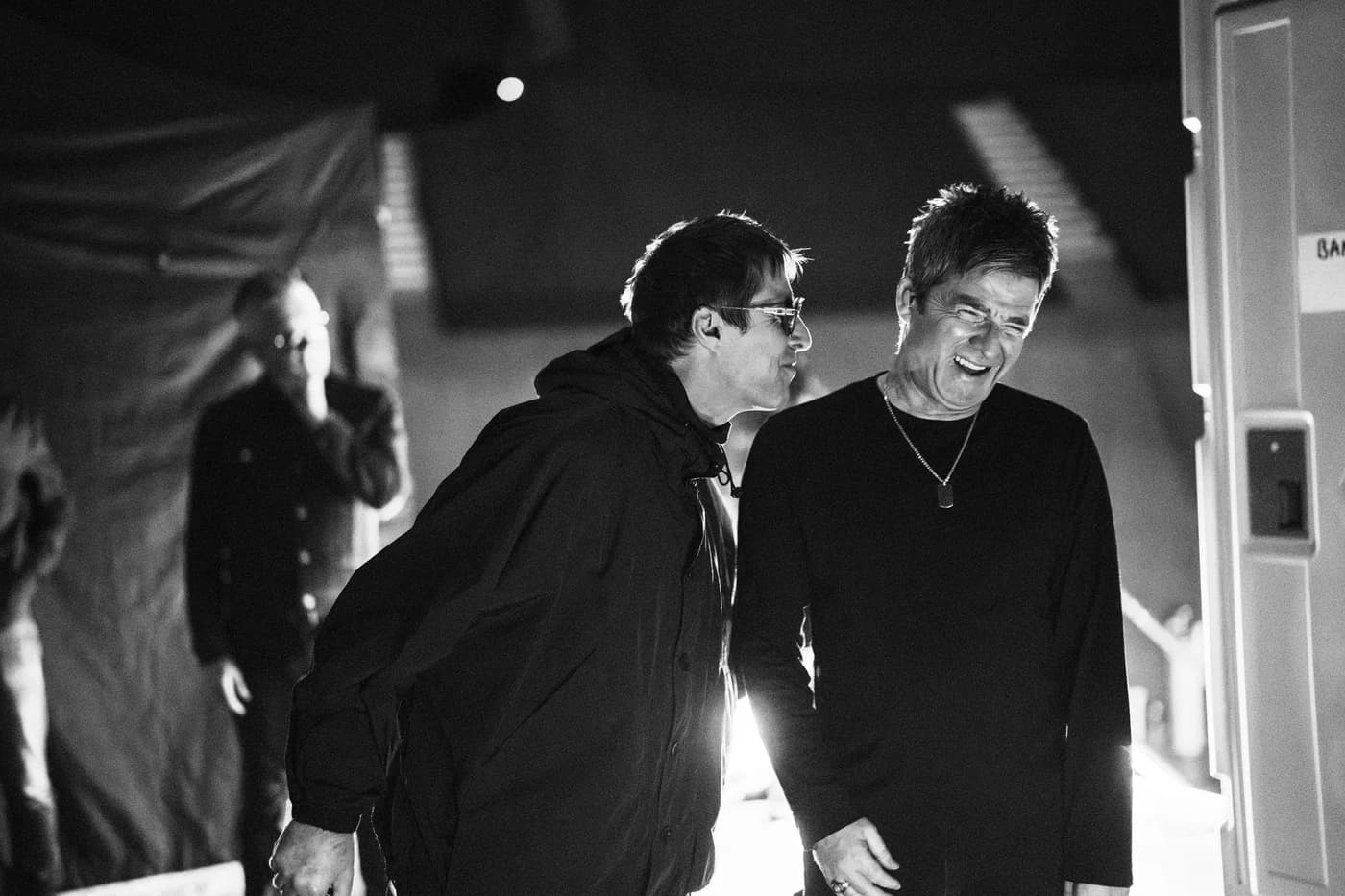
A camera can enter a space without gaining a perspective. Rehearsal footage becomes valuable when it lets viewers understand a choice: why a passage is repeated, what a performer wants changed or how a disagreement is resolved. Otherwise, access may produce images that feel intimate while telling us little about the work.
Concert editing presents a related challenge. Moving between stage and crowd can connect a performance with its reception, but it can also prescribe emotion too insistently. Watch whether an audience reaction clarifies a relationship to a song or simply instructs the viewer to be moved. A sequence that stays with a performance long enough to develop can earn the response that a montage merely announces.
A productive discussion after watching
Choose one moment when the film’s point of view changes, then ask what becomes visible and what is lost. That keeps the conversation grounded in documentary construction rather than requiring agreement about the band. The release announcement supports the film’s identity and creative team; it cannot tell us in advance how critically or generously the finished work uses its privileged position.
Sources
Discussions
New threadNo discussions yet.