
Netflix’s Pride and Prejudice: what six parts can do with a first impression
The U.S. debut is listed for December 3. Dolly Alderton and Euros Lyn’s adaptation invites a close look at social performance, perspective and how a judgment changes.
News analysis · Sources checked
The format and U.S. date are confirmed
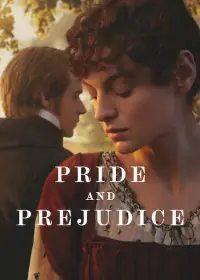
Netflix's Media Center lists Pride and Prejudice for December 3, 2026 in the United States. It describes a six-part limited series written by Dolly Alderton and directed by Euros Lyn. Tudum's announcement identifies Emma Corrin and Jack Lowden among the cast.
This is a new adaptation of Jane Austen's novel, not a new season of an earlier screen version. The format gives the filmmakers room to develop encounters, but it does not establish the artistic effect of scenes we have not evaluated. A preview should keep that distinction intact.
A first impression has to feel plausible
A story about revising judgment becomes less interesting if the initial judgment is obviously foolish from the beginning. The audience needs access to the pressures, incomplete information and social performance that make an impression persuasive at the time.
Our proposed point of attention is whose perspective controls an encounter. A camera can align us with one character's reading, then reveal another person's response. The event may remain the same while its apparent meaning changes. That is an especially valuable use of screen time in a story organized around interpretation.
Prepare without making the series a test
Reading the novel or revisiting another version can be enjoyable, but it should not be treated as a condition for following the new adaptation. A newcomer can begin with the present relationships and let the series establish its own rhythm of discovery.
Our discussion asks which adaptation makes a mistaken judgment understandable. Bring one specific choice and explain its effect, keeping later revelations marked as spoilers. That gives viewers a useful comparison without declaring a winner before the December series has supplied its evidence.
Sources
Discussions
New threadWhich adaptation best lets us understand why a character misjudges somebody?
0 repliesLast post