
Quasimodo, the Soul of Paris sets November 27 for a reinvention of the familiar figure
Jean-François Richet’s film stars Vincent Cassel and shifts the story into the nineteenth century. A historical hypothesis should remain distinct from the drama built around it.
News analysis · Reporting checked
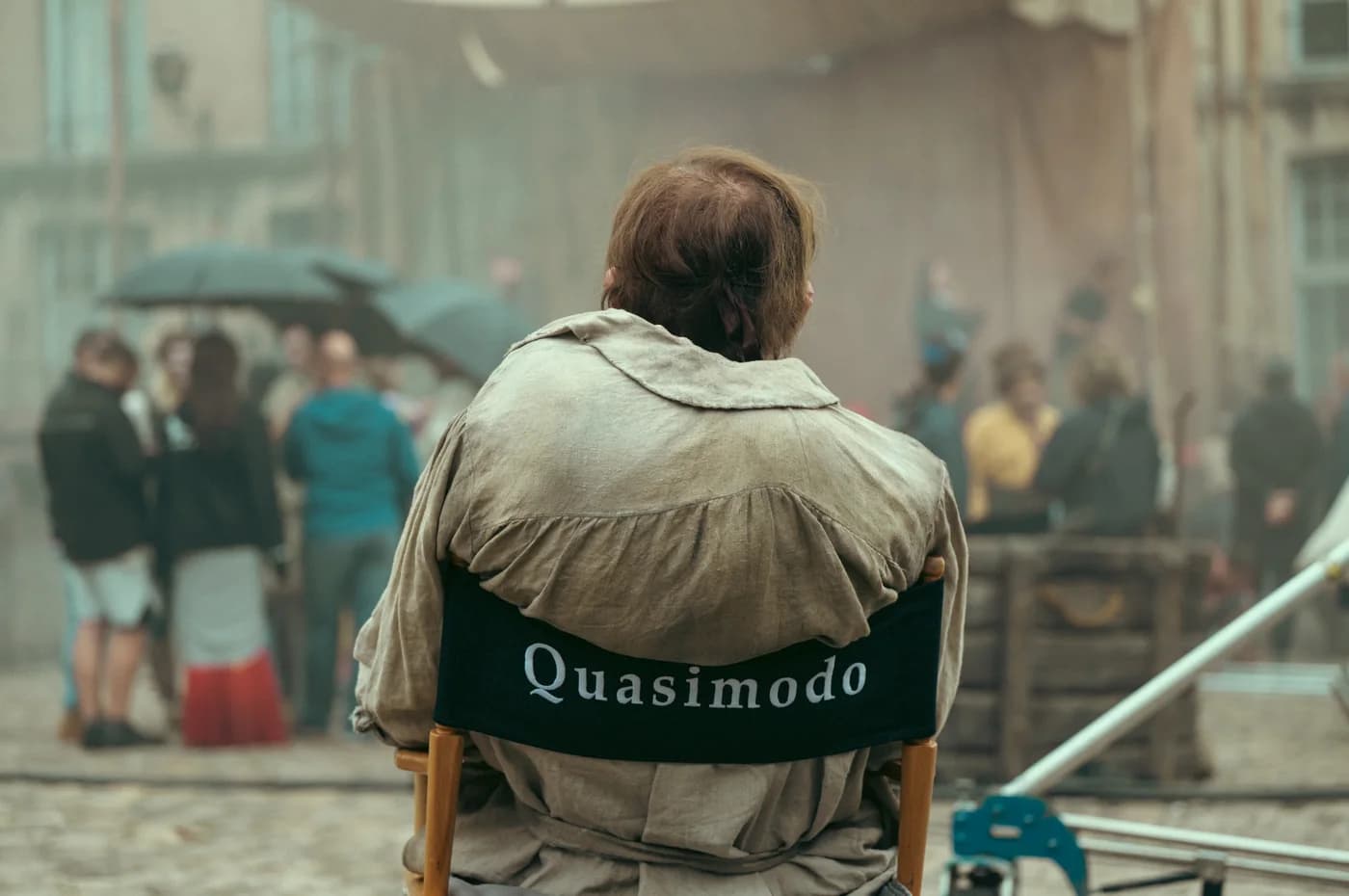
The film’s revised framework
Netflix has scheduled Quasimodo, the Soul of Paris for November 27, 2026. Jean-François Richet directs and Vincent Cassel plays the title role. The film moves away from the medieval setting associated with Hugo’s novel into nineteenth-century Paris. Netflix describes a historical hypothesis as part of its inspiration; that does not verify the film’s invented encounters as events that actually took place.
Changing the period changes what a crowd can mean
A familiar figure can acquire different pressures when placed among different institutions and public fears. The useful adaptation question is what the change makes possible in the drama. A new date should do more than supply another style of costume. It should affect who has authority, how information travels and why a person becomes the object of suspicion.
The relationship between a building and its occupants can change too. A cathedral may be a refuge, a workplace, a public symbol or several of those at once. The story becomes more specific when people disagree about what the same space is for. That disagreement can organize action without requiring the setting to deliver a single fixed meaning.
Transformation should leave room for response
The production account emphasizes the work involved in Cassel’s physical appearance. Makeup can establish a figure at a glance, while performance depends on what changes from one encounter to the next. The key question is whether a face designed to attract attention is still allowed the small responses that make another person’s attention matter.
A film can also challenge the way others look without asking its audience to admire itself for recognizing prejudice. That requires giving the central character wants and judgments beyond how he is treated. His interpretation of another person should be able to change the scene, rather than leaving him as a surface on which everyone else reveals their morality.
A useful distinction for discussion
Compare the film’s adaptation choices with its claims of historical inspiration separately. A change may be dramatically effective without being evidence of an actual connection to Hugo. Keeping those questions distinct makes it possible to examine the reinvention on its own terms while remaining careful about the history used to promote it. The release date supplies an occasion to revisit the figure; the film must supply a reason for this version.
Sources
Discussions
New threadNo discussions yet.