
Sinners gives viewers two ways to revisit its Oscar-winning work
The Academy recognized Michael B. Jordan’s leading performance and Ludwig Göransson’s original score.
News analysis · Reporting checked
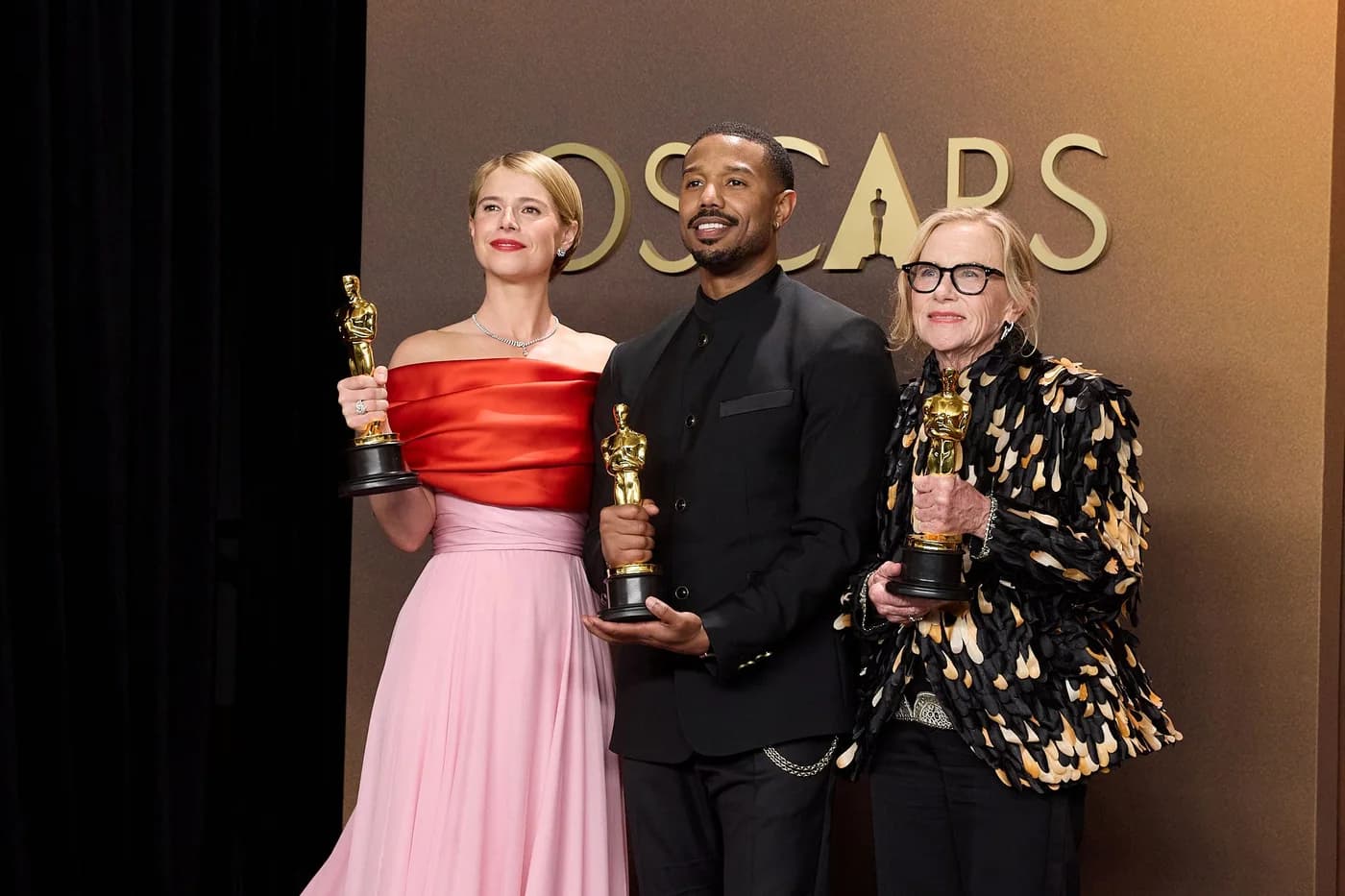
At the 98th Academy Awards, Michael B. Jordan won leading actor for Sinners, and Ludwig Göransson won original score for the same film. The Academy also lists Sinners among that ceremony’s Best Picture nominees.
Rewatch the handoff between the actor and the music
A performance can hold several intentions in reserve while a score asks the audience to attend to one feeling. On a first viewing the combination may seem seamless. On a second, it is worth watching for moments when Jordan’s expression leaves a decision open and listening to whether the music closes that space or keeps it open.
Try the same exercise around a quiet transition. Music can carry unresolved pressure from a scene after its performers have left the frame. It is one way to understand why the two crafts can shape a single response without either one spelling it out.
Agreement between sound and expression is only one possibility
A score can support a performer’s apparent feeling, but it can also make the audience doubt the surface of a scene. Calm behavior accompanied by unresolved musical pressure may register differently from the same behavior in silence. The important question is whose perspective that pressure seems to represent: the character’s, another person’s or a viewpoint the film gives only to the audience.
That distinction keeps a discussion from attributing every effect to one craft. An actor may leave a choice open while the score directs attention toward a consequence. The resulting response belongs to the combination, even if viewers disagree about which element they noticed first. The award results provide a reason to revisit the collaboration rather than a final explanation of it.
Compare a passage with its immediate surroundings
A useful rewatch begins before the musical entrance and continues after it ends. Notice what the scene has already established through speech, physical distance and silence. Then ask what becomes newly noticeable once the score arrives. If the music seems to carry an emotion across a cut, identify what connects the two images instead of simply calling the transition powerful.
The same method allows disagreement to become specific. One viewer may feel that the music makes a difficult emotion legible; another may think it settles an ambiguity the performance had preserved. Both claims can be supported by describing the passage. The Academy confirms Jordan’s acting win and Göransson’s score win. Our analysis offers a way to examine their interaction, without claiming that an award instructs every viewer how to respond.
Sources
Discussions
New threadNo discussions yet.