
Why Stop Making Sense still works: a concert film built around attention
Jonathan Demme’s Talking Heads film makes an ensemble readable without explaining every gesture. Its construction offers a useful test for modern concert movies.
News analysis · Reporting checked
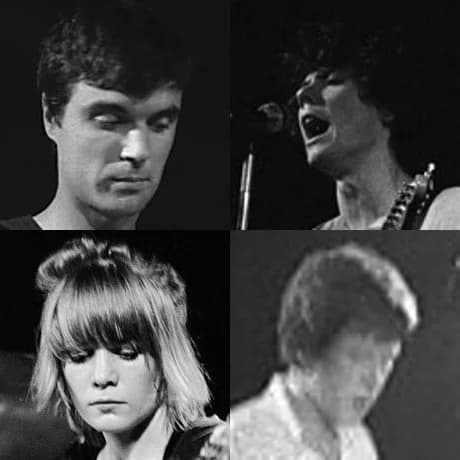
A performance with a cinematic shape
A24’s release page identifies Stop Making Sense as Jonathan Demme’s Talking Heads concert film, while the San Francisco Film Festival archive records its 1984 festival history. These are useful anchors when encountering discussion of the later restoration. The original film and a new presentation of it belong to different release moments; restoration does not make the underlying performance a new concert.
Its continued usefulness as a discussion topic is not exhausted by its reputation. The film organizes attention so that the viewer can follow how a performance becomes an ensemble event. That is a concrete formal achievement to examine, rather than a superlative readers must accept before they are allowed to join the conversation.
Letting a stage become legible
A concert movie can overwhelm a viewer with changes of angle before establishing how the space works. Stop Making Sense offers a productive alternative to discuss: watch how entrances, positions and changes in the ensemble help you understand the stage. An image can be energetic without making its geography impossible to follow.
That legibility makes individual gestures more effective. When you understand a player’s place within the group, a movement toward or away from someone gains a relationship. A cut can then emphasize an exchange rather than merely demonstrate that another camera was available. The viewer receives room to notice, not only instructions to be excited.
An ensemble is more than a star plus accompaniment
The festival archive foregrounds the musicians and singers around the central band as well as Talking Heads themselves. Watching with that in mind redirects attention from a single charismatic figure to the circulation of energy across a group. Who answers a musical phrase? Who changes the texture? When does a rhythm make a movement readable in a new way?
Those questions also explain why simply copying a memorable costume or stage gesture would not reproduce the film’s effect. An isolated image depends on the sequence that establishes it. The interest is not only what a performer wears or does, but how the film has prepared a viewer to recognize the gesture as part of a developing performance.
A useful comparison with newer concert films
Choose a modern concert film and compare one transition rather than ranking entire productions. Does it establish the relationship between players before moving close? Does the edit follow a musical change or cut across it? Can you describe the role of the audience without relying only on the number of reaction shots?
This approach leaves space for very different styles to succeed. A film does not have to resemble Demme’s work to make a compelling argument. Stop Making Sense remains valuable because it gives viewers a clear set of questions about attention, space and ensemble performance—questions that can generate a richer discussion than a claim that an older film has already settled every comparison.
Sources
Discussions
New threadHow does Stop Making Sense make the ensemble readable without explaining it?
0 repliesLast post