
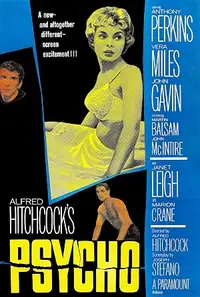
Knowing the major turns changes the viewing task. Instead of asking only what happens next, a viewer can notice how the film distributes information and how a performance remains readable in more than one way. That does not necessarily make a familiar thriller less tense. What becomes more interesting once surprise is gone: the construction of a scene, the management of sympathy, or the behavior of a character? Pick a specific example and explain what a first-time viewer is invited to notice compared with what an informed viewer might track.
Replies
More to discuss
Psycho: Which small object carries the greatest change in meaning?
0 repliesLast postPsycho: Can an explanation at the end preserve the earlier uncertainty?
0 repliesLast postPsycho: What does the motel let a stranger assume too quickly?
0 repliesLast post