
Psycho begins with Marion Crane fleeing after a theft, then lets the motel reshape the questions around her. Part of the suspense comes from the audience carrying one concern into a situation that seems to operate by a different set of dangers. When does your attention shift from the original problem to the next one? Is the change gradual, or does a particular scene reorganize the story for you? This is a discussion of how the film directs attention, rather than a contest to identify its most famous surprise. Please mark any detailed ending discussion in your reply.
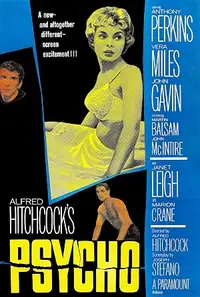
Psycho (1960)
Psycho: how does the film make us keep changing what we are worried about?
Spoilers 3 replies
Replies
More to discuss
Psycho: Which small object carries the greatest change in meaning?
0 repliesLast postPsycho: Can an explanation at the end preserve the earlier uncertainty?
0 repliesLast postPsycho: What does the motel let a stranger assume too quickly?
0 repliesLast post