
A productive ambiguity supports more than one reading while leaving the characters' choices intelligible. A less productive one can turn every conversation into a hunt for a missing answer. Blade Runner is a useful place to test the distinction because its identity questions can absorb the whole discussion. Can you name an unresolved detail that makes an actual scene richer? Then compare it with a detail you think matters less than the attention it receives. Please say which version of the film you mean when that affects your example; different cuts should not be treated as identical evidence.
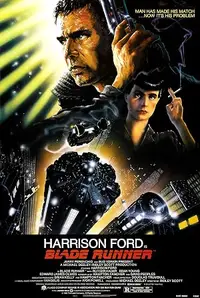
Blade Runner (1982)
When does Blade Runner’s ambiguity deepen the story, and when does it distract from it?
Spoilers 3 replies
Replies
More to discuss
Blade Runner: Does uncertainty about identity change the meaning of fear?
0 repliesLast postBlade Runner: What does a crowded frame do to a lonely character?
0 repliesLast postBlade Runner: Can a final generous act outweigh a history of violence?
0 repliesLast post