
The city in Blade Runner can be read through layers: advertising, crowded streets, dark interiors and the distance between public spectacle and private rooms. These details establish who gets space, light and attention before anyone explains the social order. What visual detail does the most narrative work for you? It could suggest isolation, commerce or ordinary life continuing around the investigation. The useful distinction is between an image that merely looks impressive and one that changes how you understand a character's place in the city. Which example crosses that line?
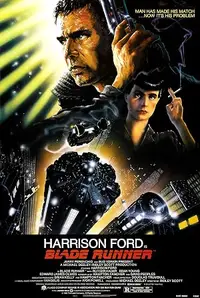
Blade Runner (1982)
Which part of Blade Runner’s city tells you the most without explaining anything?
3 replies
Replies
More to discuss
Blade Runner: Does uncertainty about identity change the meaning of fear?
0 repliesLast postBlade Runner: What does a crowded frame do to a lonely character?
0 repliesLast postBlade Runner: Can a final generous act outweigh a history of violence?
0 repliesLast post