
Marty's trip to the past puts his own future at risk. That is a simple emotional problem even when the implications of changing history become difficult to reconcile. The film asks us to follow consequences, but it is also a comedy about seeing familiar people in unfamiliar roles. Where do you draw the line between an acceptable storytelling shortcut and a broken rule? An inconsistency matters more if it makes a character's choice meaningless than if it only complicates an off-screen possibility. Does that distinction hold for this film, or do the mechanics need to survive every hypothetical?
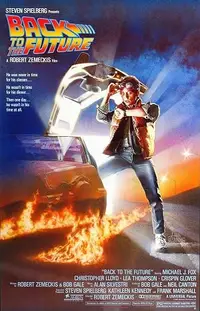
Back to the Future (1985)
Does Back to the Future need perfectly consistent time travel to work?
Spoilers 3 replies
Replies
More to discuss
Back to the Future: Would stricter time-travel rules improve the emotional story?
0 repliesLast postBack to the Future: What makes the friendship feel established without a long backstory?
0 repliesLast postBack to the Future: Which joke is also doing necessary story work?
0 repliesLast post