
A strong setup can look like a joke, a character habit or an ordinary object before its later purpose becomes clear. Back to the Future invites a second look because so much of its story relies on recognizing an earlier piece of information in a changed setting. Which example feels most natural to you? The distinction is between a detail that enriches its first scene and a detail that seems to exist only to be useful later. Explain what the setup does before the payoff arrives, then whether that first use is enough to justify its place.
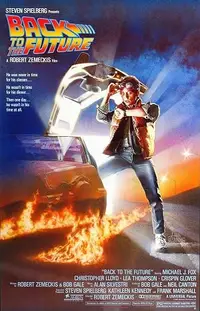
Back to the Future (1985)
What is Back to the Future’s best example of setup becoming payoff?
Spoilers 5 replies
Replies
The best examples have two jobs. They should establish a character or produce a laugh before becoming part of the solution. That makes the later recognition feel earned instead of making the first scene resemble a list of equipment.
There is also pleasure in an obvious setup. A time-travel comedy can invite the viewer to anticipate a payoff and then change its meaning. Surprise is one option; recognition at exactly the right moment can be just as satisfying.
A setup can be visible and still work if the payoff arrives under changed pressure. Recognizing the object is only the first pleasure; discovering that its ordinary use is no longer enough supplies the suspense.
The first use should be enjoyable on its own. If an opening scene feels like homework for a later sequence, a clever connection may not repay the cost of sitting through it.
That is a helpful distinction between efficiency and density. A detail can serve several purposes, but the scene still needs one clear reason to exist at the moment we encounter it.
More to discuss

Back to the Future: Would stricter time-travel rules improve the emotional story?
Chloe Dawson 0 repliesLast post
Back to the Future: What makes the friendship feel established without a long backstory?
Adam Sullivan 0 repliesLast post
Back to the Future: Which joke is also doing necessary story work?
Megan Parker 0 repliesLast post