
An adaptation has to decide which journeys, conversations and relationships need screen time. Compression can connect events clearly, but it can also remove the intermediate decisions that make a later change feel earned. Which television storyline best demonstrates that trade-off? It would help to identify the missing or condensed step rather than simply asking for more episodes. What would that step establish: new information, a relationship change, or time for a motive to become believable? Replies can discuss the books, but please identify them separately.
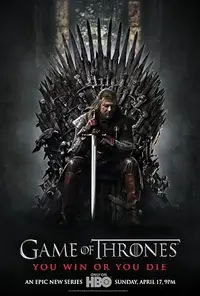
Game of Thrones (2011)
When does Game of Thrones’ compression help the story, and when does it weaken a choice?
Spoilers 3 replies
Replies
More to discuss
Game of Thrones: Which claim about destiny leaves the most room for human responsibility?
0 repliesLast postGame of Thrones: Can an adaptation lose a motive while preserving the event?
0 repliesLast postGame of Thrones: When is restraint a stronger display of power than punishment?
0 repliesLast post