
The struggle for authority in Game of Thrones involves more than possession of a title. A character may have a legal claim, military strength, family loyalty or a convincing public story, and still lack the other things needed to remain in control. Which form of power seems most fragile in the television series? A good comparison would put two characters in similar positions and explain why the same resource produces different results. Please distinguish evidence from the television adaptation from material that appears only in the books.
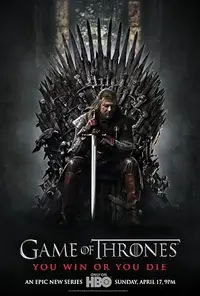
Game of Thrones (2011)
Game of Thrones: which kind of power is hardest for a character to keep?
Spoilers 3 replies
Replies
More to discuss
Game of Thrones: Which claim about destiny leaves the most room for human responsibility?
0 repliesLast postGame of Thrones: Can an adaptation lose a motive while preserving the event?
0 repliesLast postGame of Thrones: When is restraint a stronger display of power than punishment?
0 repliesLast post