
 FilmFanatics
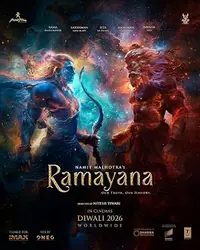
Rama, Sita and Ravana stand within an epic shaped by obligation, sacrifice and conflict. Knowing a broad outcome does not settle how a person experiences a decision. Consider what a gesture or hesitation could reveal without pretending the adaptation has invented the underlying tradition. A scene-specific example would help distinguish these readings. What changes when you examine the alternative?