
Cliff Booth’s 1977 timeline: what to remember from Once Upon a Time in Hollywood
The new film moves Cliff eight years beyond the earlier story. Use the setting and his changing work to orient yourself without reading an ending recap.
FilmFanatics Editorial · Published · View discussions
Keep the fictional timeline in view
Netflix places the new Cliff Booth story in 1977, eight years after the earlier film’s 1969 setting. The distinction matters because Once Upon a Time in Hollywood uses an alternate history. You should not fill gaps in the character’s fictional life by assuming that every real event supplies the answer. Begin with the year, the returning character and the work described in the official premise. That is enough to understand why a familiar man can be operating in a changed professional world without reciting the earlier ending.
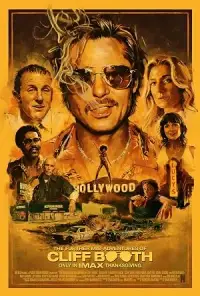
About The Further Mis-Adventures of Cliff Booth (2026)
Log in to save this articleHow we source and review our coverageGuide · Sources checked
Remember a position, not only a list of incidents
The useful background is Cliff’s relationship to the work around him: physical skill, proximity to performers and the uneven distance between being necessary and being publicly recognized. A sequel can use that position differently as circumstances shift. Ask what the new story expects him to do for others and what access that work provides. A catalogue of old scenes might establish that he is capable, but it will not by itself explain the new arrangement of obligation, opportunity or risk. Watch how the film reintroduces those elements.
Recognize a spin-off without expecting an identical ensemble
Following one returning character does not promise that every previous relationship will have equal screen time. Netflix’s new-film synopsis introduces a different set of contacts and problems. Treat those introductions as information rather than as a test of how quickly the film restores the old ensemble. A productive comparison asks which part of the earlier perspective has been carried forward and which has changed. That leaves room to discuss an absence when it affects the narrative, without turning every missing familiar face into proof of a continuity error.
Sources: 1
Prepare lightly and discuss precisely
If you have seen the earlier film, recall the kind of work Cliff performs and the difference between his public visibility and his usefulness. If you have not, the new film’s premise offers a workable entry point, though some recognition will mean more after the earlier story. Avoid a full ending summary unless you want those spoilers. In discussion, identify which film you are referring to and distinguish an announced starting condition from a later revelation. The timeline should help you follow a character’s changed circumstances, not dictate an interpretation before the film has established its own evidence.
Sources
Related coverage
Discussions
New threadWhat should a character spin-off carry forward besides familiar faces?
0 repliesLast post