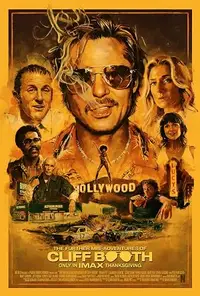
Cliff Booth pairs Fincher’s direction with Tarantino’s screenplay: why the jobs differ
Brad Pitt returns, but the new film separates its writer and director. That creates a useful question about performance, staging and authorship.
FilmFanatics Editorial · Published · View discussions
News analysis · Sources checked
The credits establish two different responsibilities
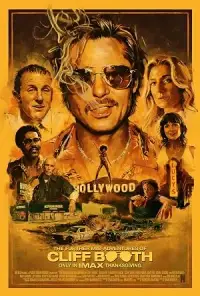
Netflix identifies David Fincher as director and Quentin Tarantino as screenwriter of The Further Mis-Adventures of Cliff Booth. Brad Pitt returns to the role. That combination is more precise than calling it a new Tarantino-directed film or treating the performer as its sole continuity. The confirmed credits give us a starting point for asking how a written scene becomes a staged event. They do not let us assign every visible detail to one person without additional production evidence or a direct account of that particular choice.
Dialogue is only one part of a scene
A written exchange can change in effect through distance, framing, pacing and the reaction chosen after a line. Watch for the difference between the information a character states and the information the arrangement of the scene lets you infer. A listener held in the frame may complicate an apparently confident explanation. A cut can redirect attention toward a consequence that the speaker would prefer to ignore. Those are useful things to describe before using an author’s familiar style as a complete explanation for the finished moment.
Sources: 2
A returning performance need not stay fixed
Recognition helps an audience enter a sequel, but repetition is not the only way to maintain a character. The question is whether a familiar habit now has a different use or cost. An audience may read confidence differently when the surrounding world no longer rewards the same skills. That possibility makes the new pairing of filmmakers interesting without proving that it produces a particular result. Distinguish what you notice in Pitt’s behavior from what you remember about his earlier performance, and allow the comparison to reveal differences as well as continuity.
Sources: 1
Keep the credit question open to evidence
After watching, choose one scene and describe its construction before proposing who shaped it. An interview, screenplay or production account may support a more specific attribution later. Until then, it is reasonable to discuss the interaction of writing, direction and performance rather than declaring an ownership contest. That approach gives another viewer something concrete to answer. The film’s two release routes are covered separately on FilmFanatics; this piece concerns the creative handoff, not a claim about which format or filmmaker guarantees the better experience.