
Home Alone 2’s ending: the turtle doves are a promise of continued attention
Kevin’s gift answers the Pigeon Lady’s fear that connection always ends in abandonment. Why the scene matters beyond repeating the first film’s friendly-neighbor structure.
FilmFanatics Editorial · Published · View discussions
Kevin returns when he no longer needs rescuing
The final gift matters because Kevin comes back after the immediate danger has passed. The Pigeon Lady is not useful only while his adventure needs assistance. Giving her one of the paired turtle-dove ornaments turns a temporary encounter into a promise of remembrance.
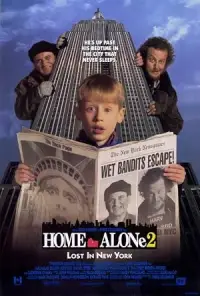
Our reading is that the action answers her fear of connection rather than solving every practical difficulty in her life. A symbol can be meaningful without functioning as an instant remedy for isolation or hardship. The film's tenderness works best when those scales remain distinct.
Sources: 1
About Home Alone 2: Lost in New York (1992)
Log in to save this articleHow we source and review our coverageGuide · Sources checked
The earlier conversation gives the object a purpose
Their exchange concerns the risk of caring after being hurt. Kevin's advice would remain easy and incomplete if he disappeared as soon as his own situation improved. Returning with a gift requires him to perform a small act consistent with what he said.
The paired objects make that intention legible without a detailed plan. He keeps one while giving the other away. The relation depends on continued attention, not on the ornament possessing magical power to guarantee a future.
Repetition from the first film is not exact equivalence
Both films revise a frightening first impression of an older outsider. The second places Kevin in an unfamiliar city and makes the fear of later abandonment especially explicit. That changes what the final acknowledgment has to accomplish.
An alternative reading may find the gesture too slight beside the character's situation. That is a fair question about the film's scope. It should be tested against what the scene actually promises, rather than against a larger resolution it never depicts.
The ending asks for recognition beyond a crisis
Kevin's family reunion is one closure; his return to the park is another. The second prevents the friendship from being entirely absorbed into the first. He remembers somebody whose life remains outside his restored household.
For a rewatch, follow moments when Kevin receives help and moments when he chooses to offer it. Which acts continue after a practical need has ended? That question makes the final gift part of a pattern of attention instead of only a sentimental accessory.
Sources
Discussions
New threadDoes Kevin’s final gift make the Pigeon Lady more than a helper in his adventure?Spoilers
0 repliesLast post