
Home Alone’s ending: Marley’s reunion completes Kevin’s lesson about fear
The traps protect the house, but the final view across the street resolves another story. Why Kevin’s conversation with Marley matters as much as defeating the burglars.
FilmFanatics Editorial · Published · View discussions
The burglars resolve one problem; Marley resolves another
Kevin's traps defend the house, and Marley's intervention helps end the immediate danger. Yet the film closes its emotional movement with family reunion, including the neighbor Kevin once feared. The final look across the street makes that second resolution visible.
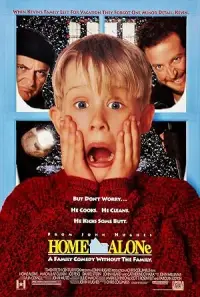
Our reading is that the ending tests Kevin's new understanding of other people. He has learned practical independence, but he has also had to revise a story he accepted about Marley. Those kinds of growth are related without being identical.
Sources: 1
Guide · Sources checked
The church conversation changes the direction of fear
Marley becomes a person with a specific regret rather than the frightening figure described by neighborhood rumor. Kevin's advice about speaking to his son is striking because it comes from a child who is also discovering that wishing family away is different from living without it.
The exchange does not make either character an authority on every family conflict. It creates a moment of mutual recognition. Kevin can see his own situation differently because another person's fear has become understandable.
Independence is not the film’s final ideal
The house initially offers Kevin freedom from interruption and rules. The pleasure is real, which makes the later loneliness matter. His mother's return does not simply remove an adventure the film had endorsed without qualification; it answers a need the adventure has exposed.
A purely action-centered reading can explain the satisfaction of defeating the intruders. It has more difficulty explaining why the film gives its final attention to people reconnecting. The ending values competence while refusing to make isolation its reward.
What the window adds
Kevin does not deliver another speech to certify the lesson. Looking across the street lets him witness the consequence of a conversation and share an acknowledgment with Marley. The distance preserves the neighbor's family reunion as its own event.
For discussion, compare the first fearful view of Marley with the last one. What information changes, and what does Kevin do with it? The answer connects the holiday sentiment to a concrete revision of perspective rather than treating it as an unrelated addition after the comedy.
Sources
Discussions
New threadWould Home Alone’s ending work as well without Marley’s family reunion?Spoilers
0 repliesLast post