
A Star Is Born’s ending: Ally’s final performance carries love without explaining away the loss
The last song joins a public performance to a private memory. A non-graphic reading of the ending’s perspective, its grief and why the film does not support blaming one person for the death.
FilmFanatics Editorial · Published · View discussions
The song belongs to a public present and a private memory
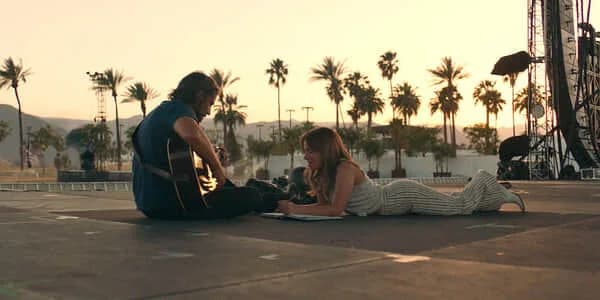
Ally's final performance is connected through the editing to a more private encounter with Jackson and the music. The shift lets the song carry the relationship as well as the immediate act of singing it. The ending is therefore not simply a career milestone after a loss.
Our reading is that the public performance preserves a connection without repairing what has happened. The scene can be powerful because the memory remains available while the person does not. Recognition and grief occupy the same moment.
Sources: 1
About A Star Is Born (2018)
Log in to save this articleExplore music & screen coverageHow we source and review our coverageGuide · Sources checked
The film does not justify a single-person blame story
Jackson's death follows several pressures within the drama. A hurtful exchange can matter without becoming a complete explanation or making another person solely responsible. Reducing the event to a single cause narrows what the film has shown about his difficulties and relationships.
This guide discusses the fictional ending without graphic detail. It is not a clinical account or a general explanation of suicide. A responsible interpretation should distinguish a scene's dramatic pressure from a universal claim about why such deaths occur.
Ally is performing, not merely remembering
The song requires an action in the present: she chooses to stand before an audience and carry something intensely personal into that space. The memory does not replace her performance. It changes what the viewer understands the performance to contain.
An alternative reading may find the sequence too resolving for the uncertainty of grief. That response can be tested against the film's framing: does the final image promise recovery, or show the effort of continuing while the loss remains? The two claims are different.
What remains outside the ending
We do not see the complete course of Ally's mourning or later artistic life. The last song should not be treated as proof that she has finished grieving. A concentrated expressive moment can matter without resolving every future difficulty.
For discussion, identify the cut or change in performance that most alters the song for you. Explain what becomes visible at that point. This keeps the conversation grounded in the work rather than turning a complex death into a simple accusation or a tidy lesson.
Sources
Discussions
New threadHow does the final shift from stage performance to memory change Ally’s song?Spoilers
0 repliesLast post