
Interstella 5555: how Daft Punk’s album becomes a story without conventional dialogue
The film’s link to Discovery is more than background music. Its animated storytelling offers a different way to think about albums, images and narrative continuity.
News analysis · Reporting checked
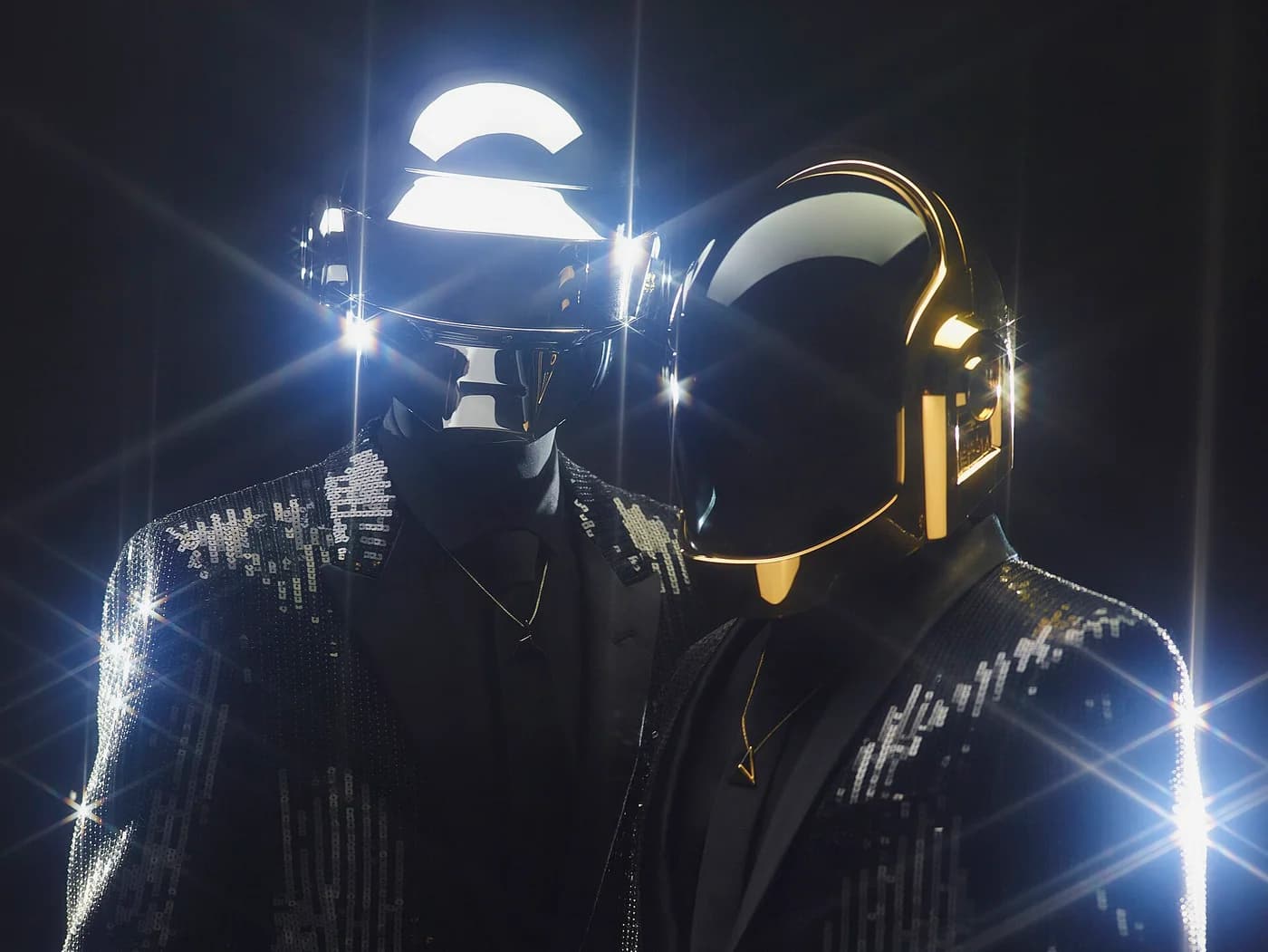
The album and the film are a connected work
AFI Silver’s program identifies Interstella 5555 as a realization of Daft Punk’s Discovery, directed by Kazuhisa Takenouchi with the duo’s creative input and a collaboration involving Leiji Matsumoto. Daft Punk’s official remaster trailer also connects the artists and the film. These credits are worth keeping distinct rather than attributing every creative role to the musicians alone.
This article concerns the work’s narrative method, not a new screening announcement. A trailer advertising a past theatrical event is not evidence of a current local showing. Readers looking for a performance date should check a venue’s present calendar rather than infer availability from the existence of a remastered edition.
Continuity can be carried by image and music
Conventional dialogue is not the only way to establish intention, danger or a changing relationship. A recurring image, a reaction or a contrast in movement can make a sequence understandable while music supplies its duration and emotional direction. The viewer learns to connect gestures and consequences without waiting for a character to explain them verbally.
That relationship also changes how an album is heard. A song can function both as an independent recording and as the span of a narrative passage. Its ending becomes a transition in the story, not merely the point at which the next track begins. The film does not erase the album’s original structure; it gives the listener another way to experience that structure.
A continuous film is different from a playlist of videos
A music video can establish a world for one track and abandon it at the end. A continuous album film has to retain enough visual and dramatic memory for later passages to build on earlier ones. A character’s position, a recurring environment or a change in the use of color can carry that memory across musical boundaries.
This gives viewers a specific question to test: what does a later section assume you remember from an earlier image? If the answer is meaningful, the connection is doing narrative work. If each section can be rearranged without changing much, the film may be operating more like a collection. Neither form is automatically superior, but they offer different pleasures.
What to discuss without reducing it to a plot summary
Choose a transition where the musical shift changes how an image is understood, or where an image redirects the feeling of a track. Explain the relationship rather than retelling every event. That allows a listener who knows Discovery to join someone encountering the work through animation, with both contributing a different kind of attention.
Interstella 5555 offers a useful bridge for FilmFanatics because it connects authorship, animation and album sequencing in one object. Its lasting question is not whether the music “fits” the pictures in a general sense. It is how two forms organize a viewer’s expectations together, and what becomes possible when neither has to behave merely as accompaniment to the other.