 FilmFanatics
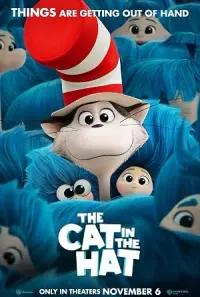
A short illustrated book and a theatrical feature have very different amounts of time to fill. In a Cat in the Hat adaptation, a recognizable hat or a familiar prop can establish identity quickly, but it does not explain how the film recreates the experience of escalating mischief. Rhythm can come from performance, a repeated visual pattern or a pause before the next disruption. Which matters more to your sense that an adaptation understands the book: preserving particular events, or preserving the way surprise and repetition work? Give one example from any version and explain the effect. No plot outcomes from the 2026 film, please.