
Backrooms turns recognizable interior spaces into a place whose apparent rules are unreliable. A returning feature may suggest a rule, a memory or an accident. Identify what additional observation would let one interpretation become stronger without presenting a theory as confirmed. A scene-specific example would help distinguish these readings. What changes when you examine the alternative?
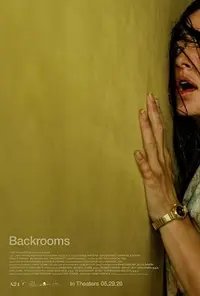
Backrooms (2026)
Backrooms: When does repetition become evidence rather than visual atmosphere?
4 replies
Replies
Repetition alone does not establish a rule. I would ask whether the repeated feature predicts a consequence, because a useful theory should risk being contradicted by the next observation.
A formal repetition can still matter without being a literal mechanism. The image may put two experiences into a relationship rather than tell us that the environment operates according to a predictable law.
Those are compatible readings until someone uses the image to predict an escape route. At that point the difference between visual association and dependable information becomes a practical question.
Naming which claim is being made would improve many ending debates. An evocative resemblance and an established rule demand different kinds of evidence.
Related reading
More to discuss

Backrooms: Should an ambiguous ending change how the journey is understood?
Dylan Hayes 0 repliesLast post
Backrooms: Which part of the sound makes empty space feel occupied?
Nora Ellis 0 repliesLast post
Backrooms: Does an institutional explanation make the horror feel safer?
Miles Reed 0 repliesLast post