
A Zurich heist is told through preparation, execution and the days following it. A consequence can make an earlier choice look different once it is revealed. Discuss when showing damage first deepens motive and when it merely advertises a future surprise. Which detail in the work best supports your reading, and what would count against it?

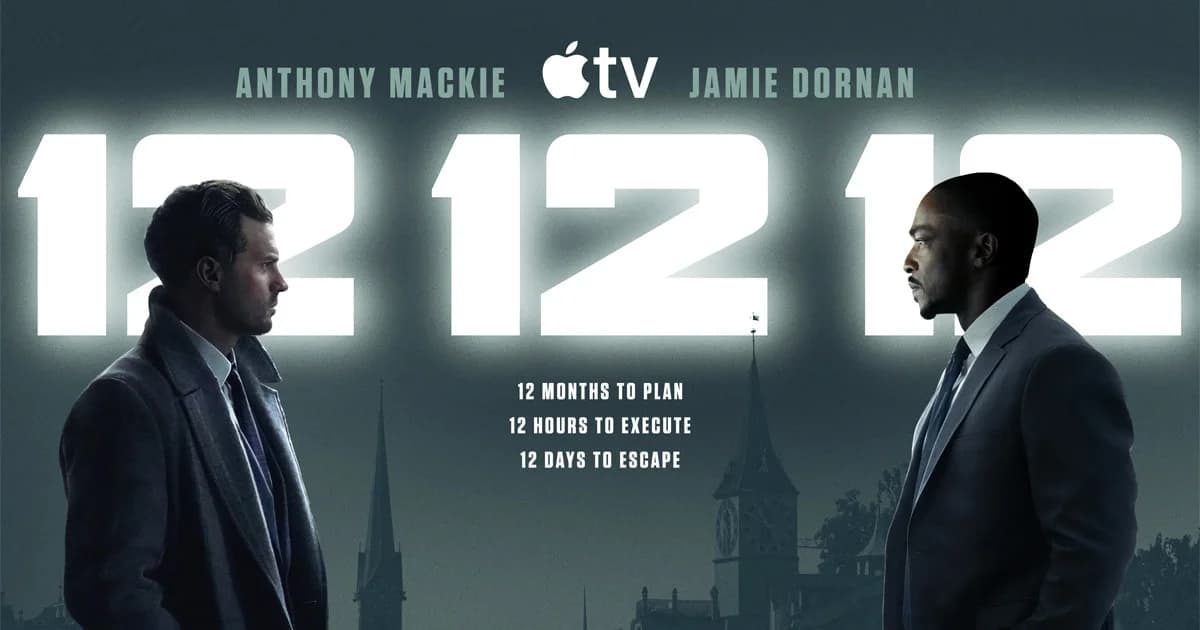
12 12 12 (2026)
12 12 12: Which kind of information belongs in the aftermath before the plan?
3 replies
Replies
Showing a consequence first gives the viewer an interpretive task. The earlier scene becomes interesting because we are evaluating a choice, rather than only waiting to learn whether the plan succeeds.
But a visible consequence needs a clear relationship to the question we are following. If its meaning remains entirely inaccessible, it may operate only as a promise that something important will eventually be explained.
That promise is easier to sustain when another local question receives an answer in the meantime. Progress in understanding should not depend exclusively on the final reconstruction.
Related reading
More to discuss

12 12 12: What would make the final reconstruction emotionally consequential?
Chloe Dawson 0 repliesLast post
12 12 12: When should a timeline answer a question instead of opening another?
Adam Sullivan 0 repliesLast post
12 12 12: Can a professional rivalry work without making either person infallible?
Megan Parker 0 repliesLast post
