
The Nightmare Before Christmas: Jack’s ending is a revision of ambition, not its disappearance
Jack stops confusing admiration for Christmas with the right to control it. His return and recognition of Sally resolve failures of attention as well as the seasonal crisis.
FilmFanatics Editorial · Published · View discussions
Jack changes his relation to what he admires
Jack's Christmas project fails because enthusiasm and authority have become confused. Discovering something wonderful does not automatically mean he understands its relations or can reorganize them without harm. The ending requires him to acknowledge that difference and help restore what his project endangered.
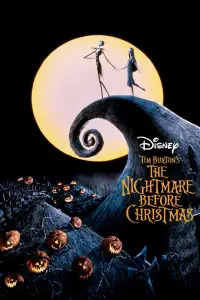
Our reading is not that curiosity itself was the mistake. The film makes his dissatisfaction and wonder compelling. What changes is the assumption that a new experience becomes fully available through taking control of its outward signs.
Sources: 1
About The Nightmare Before Christmas (1993)
Log in to save this articleHow we source and review our coverageGuide · Sources checked
The project preserves the wrong kind of similarity
Jack studies objects and procedures, but translating their appearance does not guarantee the effect he wants. His own world's habits enter the result. The failure becomes a concrete example of how imitation can reproduce form while misunderstanding function.
That makes the story more interesting than a simple prohibition on crossing boundaries. Another approach might have involved listening, exchange or a smaller experiment. The ending revises the method of ambition rather than proving that every desire for change is illegitimate.
Sally’s recognition answers a failure of attention
Sally has perceived dangers that Jack's excitement leaves him poorly equipped to hear. The closing relationship matters because he finally notices a person whose understanding was present before the crisis. Romance is connected to attention, not merely awarded after the plot is repaired.
An alternative reading can find the closure too neat for the larger question of Jack's dissatisfaction. That remains a useful concern. The final scene does not document every future project; it establishes a changed relation that could affect how he pursues one.
Returning does not mean nothing happened
Jack returns to his world with knowledge of the limits of his scheme and a different recognition of Sally. The physical location resembles the beginning, but the available understanding has changed. Treating the return as a complete reset misses that development.
For discussion, identify a warning or reaction he overlooks earlier. How does the ending change the value of that moment? A specific comparison gives the musical fantasy an ethical structure without reducing it to a slogan about staying in one's place.
Sources
Discussions
New threadDoes Jack become less ambitious at the end, or learn to pay attention differently?Spoilers
0 repliesLast post